Danshaku
⚡ Help complete this entry
Click a link below to open a pre-filled GitHub issue. Attach the image, paste the title, or write the description — the receiver will ingest it into the data on the next build.
Media
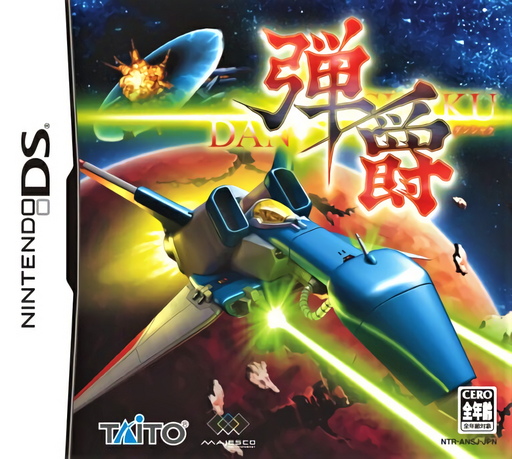
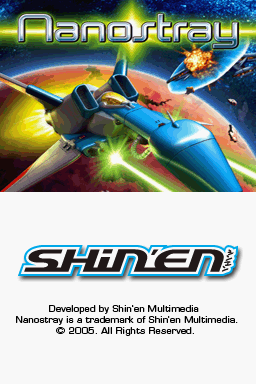

Titles
| Text | Lang | Script | Region | Form | Source | Verified |
|---|---|---|---|---|---|---|
| Danshaku | en |
Latn |
jp | official | no_intro | unverified |
Description
source: wikipedia_enThe Kazoku (華族, "Magnificent/Exalted lineage"; IPA: [ka̠zo̞kɯ̟]) was the hereditary peerage of the Empire of Japan, which existed between 1869 and 1947. It was formed by merging the feudal lords (daimyō) and court nobles (kuge) into one system modelled after the British peerage. Distinguished military officers, politicians, and scholars were occasionally ennobled as (新華族, shin kazoku, 'the newly ennobled'), until the country's defeat in the Second World War in 1945. The system was abolished with the 1947 constitution, which prohibited any form of aristocracy under it, but kazoku descendants still form the core of the traditional upper class in the country's society, distinct from the nouveau riche. Kazoku (華族) should not be confused with kazoku (家族), which is pronounced the same in Japanese, but written with a different first character, meaning "immediate family" (as in the film Kazoku above).
source: ai_local_gemma4華族(かぞく)は、1869年から1947年まで存在した大日本帝国の世襲の貴族制度であった。これは、封建領主(大名)と宮廷貴族(公家)を統合し、イギリスの貴族制度をモデルとして構築された。軍人、政治家、学者など、功績のあった人々は、第二次世界大戦における日本の敗戦(1945年)まで、時折「新華族(しんかぞく)」として爵位を授けられた。この制度は、あらゆる形式の貴族制を禁じた1947年憲法によって廃止されたが、華族の末裔は、新興富裕層とは一線を画す、国内の伝統的な上流階級の核を今も形成している。 なお、華族(かぞく)は、発音が同じであるものの、最初の文字が異なる「家族(かぞく)」と混同してはならない。「家族」は「直系の親族」を意味する(例:映画『家族』)。
Metadata
| Category | main_game |
|---|---|
| Platform | Nintendo DS |
ROMs (1)
Show No-Intro ROM metadata
| Name | Region | Serial | Size | Hashes |
|---|---|---|---|---|
Danshaku (Japan) |
jp | ANSJ |
16777216 B | crc32: 2dea3affmd5: ff1802985d942ecf…sha1: fb85b8b9b8be6181… |