4 Elements
⚡ Help complete this entry
Click a link below to open a pre-filled GitHub issue. Attach the image, paste the title, or write the description — the receiver will ingest it into the data on the next build.
Media
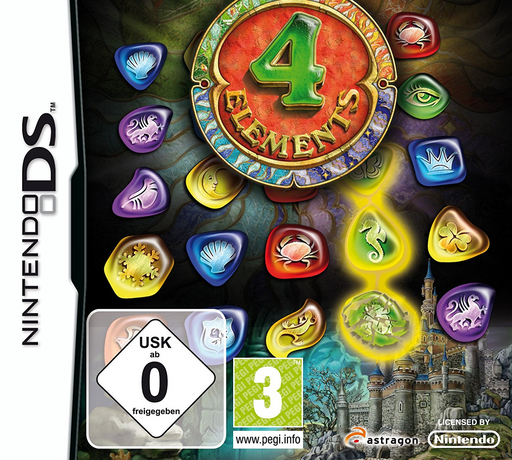
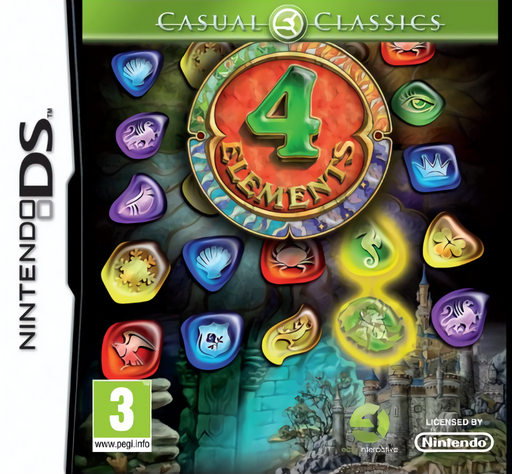
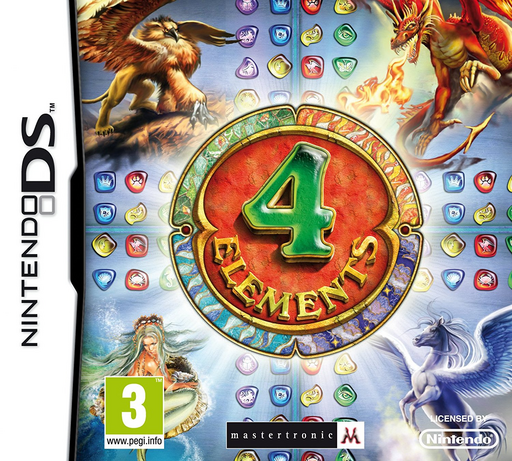
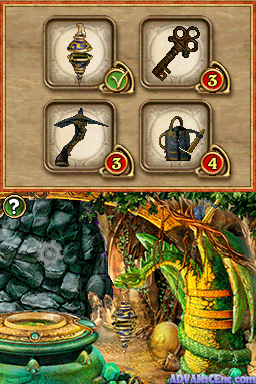
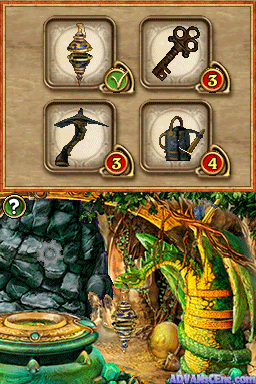
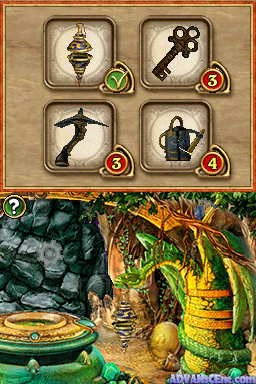
Titles
| Text | Lang | Script | Region | Form | Source | Verified |
|---|---|---|---|---|---|---|
| 4 Elements | en |
Latn |
us | official | wikidata | unverified |
Description
source: wikidata2008 video game
source: wikipedia_enThe classical elements typically refer to earth, water, fire, air, and (later) aether which were proposed to explain the nature and complexity of all matter in terms of simpler substances. Ancient cultures in Greece, Angola, Tibet, India, and Mali had similar lists which sometimes referred, in local languages, to "air" as "wind", and to "aether" as "space". These different cultures and even individual philosophers had widely varying explanations concerning their attributes and how they related to observable phenomena as well as cosmology. Sometimes these theories overlapped with mythology and were personified in deities. Some of these interpretations included atomism (the idea of very small, indivisible portions of matter), but other interpretations considered the elements to be divisible into infinitely small pieces without changing their nature. While the classification of the material world among the ancient Indians, Hellenistic Egyptians, and ancient Greeks into air, earth, fire, and water was more philosophical; scientists of the Middle Ages used practical, experimental observation to classify materials. In Europe, the ancient Greek concept, devised by Empedocles, evolved int
source: ai_local_gemma4古典的な要素とは、通常、地球、水、火、空気、そして(後に)エーテルを指し、これらはより単純な物質の観点から、あらゆる物質の性質と複雑さを説明するために提唱されました。古代のギリシャ、アンゴラ、チベット、インド、マリといった文化圏では、同様のリストが存在し、現地の言語では「空気」を「風」と、「エーテル」を「空間」と呼ぶこともありました。 これらの異なる文化や個々の哲学者は、それらの属性や、それらが観測可能な現象や宇宙論とどのように関連するかについて、非常に多様な説明を持っていました。時にはこれらの理論は神話と重複し、神々として擬人化されました。これらの解釈の中には、アトム主義(物質の非常に小さく、分割不可能な部分という考え)を含むものがありましたが、他の解釈では、要素は本質を変えることなく無限に小さな断片に分割できると考えられていました。 古代インド人、ヘレニズム時代のエジプト人、古代ギリシャ人による物質世界の分類が空気、地、火、水というより哲学的なものであったのに対し、中世の科学者たちは、物質を分類するために実用的で実験的な観察を用いました。ヨーロッパでは、エンペドクレスによって考案された古代ギリシャの概念が、進化し...
Metadata
| First release | 2008-01-01 |
|---|---|
| Category | main_game |
| Platform | Nintendo DS |
External IDs
wikidata | Q60649568 |
|---|---|
mobygames | 36224 |
ROMs (3)
Show No-Intro ROM metadata
| Name | Region | Serial | Size | Hashes |
|---|---|---|---|---|
4 Elements (Europe) (Fr,De) |
eu | B4EX |
16777216 B | crc32: af9992bdmd5: 5c852d83efa38518…sha1: 34e1be9b72d5f0ef… |
4 Elements (Europe) (Fr,Nl) |
eu | B4EY |
16777216 B | crc32: bcc41b36md5: e26adc713e693a4c…sha1: 2f816c37c7bb4931…sha256: 37327fbcd73c7b38… |
4 Elements (Europe) |
eu | B4EP |
16777216 B | crc32: c3ba7ef8md5: cb0d8a333213e9a7…sha1: 6f117e63a6fda974… |